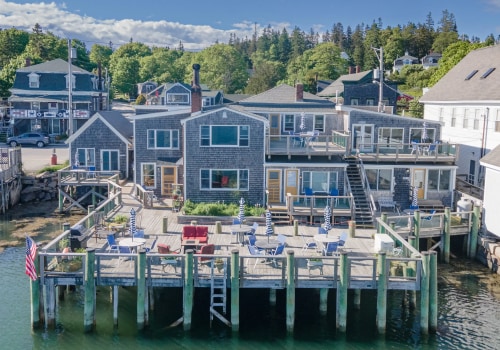
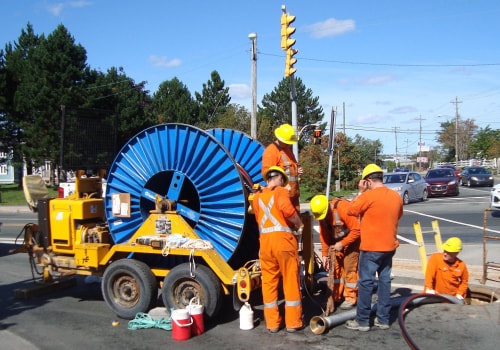
Home renovation projects often bring excitement and long-term value to a property, but they can also create major disruptions to everyday life. Dust, noise, limited access to kitchens or bathrooms, and ongoing contractor activity can make living inside the home difficult during certain phases of construction. For larger renovation projects involving structural work, flooring replacement, plumbing upgrades, or complete room remodels, homeowners sometimes need temporary living arrangements while the work is being completed. This is where vacation rentals have become an increasingly practical solution. Vacation rentals offer flexible living options that allow homeowners to remain comfortable and maintain normal routines while avoiding the stress and inconvenience associated with active construction zones.
Unlike traditional hotel stays, vacation rentals often provide more residential-style amenities that better support extended living situations. Full kitchens, laundry access, multiple bedrooms, and private living spaces make it easier for families to maintain routines during renovation periods that may last several weeks or months. These accommodations allow homeowners to temporarily relocate without sacrificing comfort, workspace needs, or privacy. As renovation projects become more common and more extensive, the connection between temporary housing and remodeling logistics continues to grow stronger.
The Challenges of Living Through Renovation Projects
Many homeowners initially plan to stay inside their homes during renovations but later realize how disruptive construction can become. Constant noise from demolition, power tools, deliveries, and contractor activity can interfere with sleep schedules, work-from-home responsibilities, and family routines. Dust from sanding, drywall work, and flooring removal may spread throughout the home even when contractors use protective barriers. In addition, kitchens and bathrooms may become temporarily unusable during major upgrades, making daily activities much more complicated.
Safety concerns are another important factor. Construction areas often contain exposed wiring, tools, debris, or unstable flooring that may not be safe for children, pets, or elderly family members. Moving temporarily into a vacation rental allows homeowners to avoid these hazards while giving contractors more freedom to complete projects efficiently without needing to work around occupied living spaces.
Vacation rentals also provide flexibility when renovation timelines shift unexpectedly. Delays caused by material shortages, permit approvals, weather conditions, or additional repairs are common in remodeling projects. Short-term rental options make it easier for homeowners to extend their stay if construction takes longer than originally planned. This flexibility can reduce stress and prevent homeowners from feeling rushed during important renovation decisions.
Supporting Easier Transitions and Storage Needs
Temporary relocations during renovations often require homeowners to move furniture, clothing, electronics, and personal belongings out of active work areas. In some cases, entire sections of the home may need to be cleared to allow construction crews proper access. This creates demand for moving assistance, temporary storage solutions, and organized transportation between the home and rental property.
Some homeowners choose to bring only essential items to their vacation rental while storing larger furniture and household belongings elsewhere until renovations are complete. Others may need help rearranging furniture within the property to protect valuables from dust or damage. Companies such as Mountain Movers often assist homeowners navigating these temporary transitions by helping coordinate transportation, storage, and furniture management during renovation projects.
Vacation rentals also help support better organization throughout the renovation process. By temporarily relocating, homeowners can separate themselves from the daily construction environment while still monitoring progress as needed. This often creates a more manageable and less stressful experience for both the family and the contractors involved.
A Growing Trend in Modern Home Renovation Planning
Ultimately, vacation rentals have become an important part of flexible living during home renovation projects because they provide comfort, convenience, and adaptability during periods of disruption. Renovations often impact much more than the physical structure of a home; they temporarily affect routines, schedules, and overall quality of life. Having access to temporary housing allows homeowners to maintain stability while major improvements are underway.
As more families invest in large-scale remodeling projects, the use of vacation rentals during renovations will likely continue increasing. These temporary living arrangements provide a practical solution for homeowners seeking to balance construction progress with comfort and everyday functionality. By combining flexible housing with organized moving and storage support, homeowners can create a smoother renovation experience while protecting both their property and peace of mind throughout the process.